
The Staff’s View from Inside
The ForgivenThis flow traces how the household staff move from discreet service to private suspicion and anger as the guests’ response to Driss’s death unfolds.
increasing Bearing strength in each event
 decreasing
Bearing strength in each eventdecreasingOrdinary Service
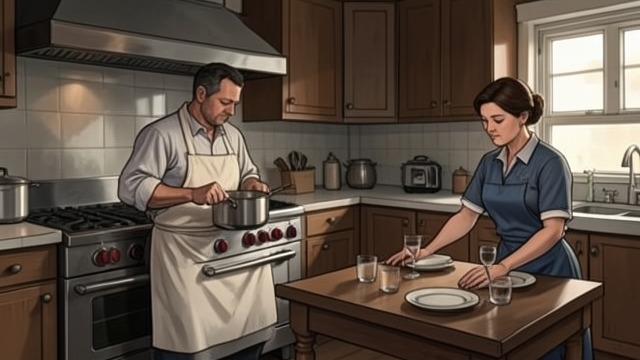
The Work Behind Welcome
Hamid and the staff prepare the property, serve the guests, and manage the elaborate domestic machinery of the weekend. Their work includes food, lighting, transport, and the constant accommodation of wealthy visitors.
The guests experience the house as effortless abundance, while the staff understand how much coordination and labor its appearance requires. They also observe the visitors’ habits from close range.
A Unequal Household
The staff are needed but rarely treated as full participants in the party’s decisions. Their wages matter to them, and their opinions remain partly contained by the relationship between employee and employer.
This position becomes significant when a death occurs on the premises. The people responsible for the house must then serve the guests while confronting an event the guests would prefer to control.
The Garage Vigil
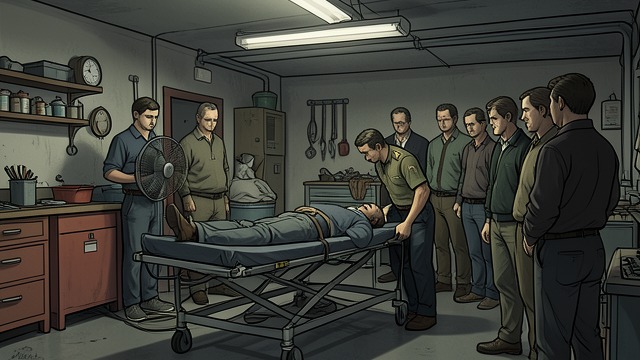
A Body in Their Care
The staff gather around Driss’s body in the garage, where the air-conditioning slows the heat while the family remains unknown. Hamid helps organize the vigil and ensures that the body is not treated casually.
The servants speculate about Driss’s origins and worry about the delay before burial. Their attention gives the dead man a seriousness absent from much of the guests’ response.
Suspicion Takes Root
The staff hear that the Hennigers struck Driss, and some begin to doubt that the event was merely accidental. Rumor fills the gaps left by missing identification and the uncertain story of the roadside encounter.
Their suspicions are not proof, but they reveal how little trust the visitors have earned. The garage becomes the place where the staff’s private judgment diverges from the hosts’ effort to keep the gathering calm.
Rumors in the Wind
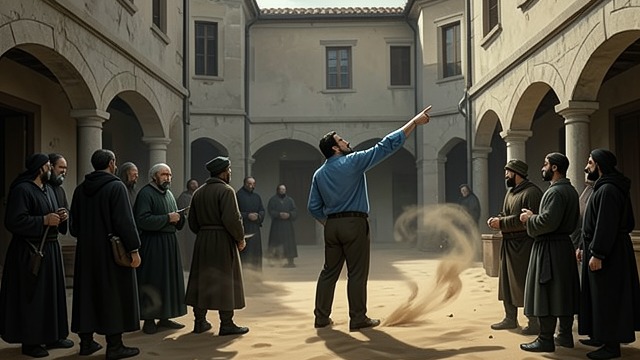
A Shared Interpretation
As a severe wind drives sand into the household, staff members talk among themselves about Driss’s injuries and the possibility that the car ran over him more than once. The rumors harden the sense that the collision was not fully explained.
They also believe that money has protected the foreigners from a more searching response. Their anger grows from the contrast between the guests’ continued comfort and the dead boy’s unresolved identity.
A Mutinous Mood
The men do not openly rebel against their employers, whose household provides work, but their loyalty is no longer unquestioned. Hamid recognizes that resentment can remain even when no one acts on it.
The staff’s conversations show how accounts of an event spread through a community. When official processes appear to favor the powerful, rumor becomes a way to express a judgment that formal channels have not addressed.
A Father at the Gate
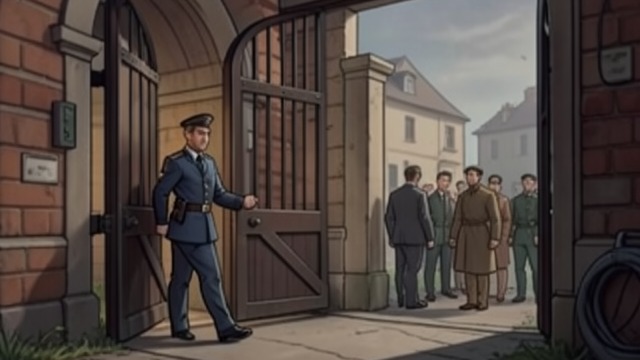
Service Meets Bereavement
Hamid recognizes the arrival of Abdellah and his companions as the event he had been anticipating. He opens the gate and guides the father toward the garage where Driss’s body has been kept.
The staff’s careful service now includes the bereaved family. Hamid feels relief when the dead boy receives a name and knows that a burial can finally be arranged.
Respect and Unease
Hamid had warned Richard that the visitors from Tafal’aalt might demand compensation, but he also recognizes Abdellah’s grief. He understands that an aggrieved father can seek money without being reducible to greed.
His role exposes the limits of simple categories. As a servant, translator, and local observer, he must navigate between his employers’ interests and obligations that they only partly understand.
A Private Judgment
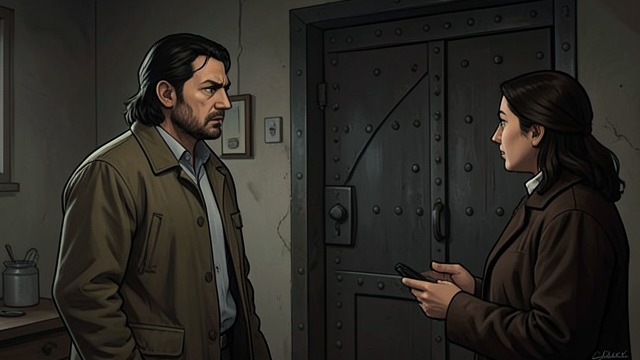
The House Is Not Blind
Hamid hears Jo and Tom Day together after David has left for Tafal’aalt. He interprets their intimacy through his own ideas about discretion, marriage, and the foreigners’ disregard for boundaries.
His reaction is not simple loyalty to the Hennigers. He is tired of the guests’ excesses and feels trapped in work that requires him to serve people whose conduct he privately disapproves of.
Necessary Dishonor
Hamid continues working because he needs money for his father’s medical bills. His plans for a more respectable future elsewhere do not yet free him from the household.
The episode deepens his character beyond the role of efficient servant. He observes the hosts and visitors critically, while recognizing that economic need limits his ability to act on his judgments.
Friday evening as guests arrive at Azna
The first night after the collision
The morning after the collision during the Chergui
The following afternoon when Abdellah arrives
Late Sunday night after Jo and Tom Day’s encounter
